
Fes is Morocco’s spiritual and intellectual capital, and the city most first-timers under-budget. Founded in the 9th century and the Marinid royal capital in the 13th and 14th centuries, it is older and denser than Marrakech, with fewer tour buses and more living craft. This is the Fez city guide I give travelers I plan trips for: the sights that matter, the real entry fees, the scams to sidestep, and exactly how long to stay.
Why is Fes el-Bali the heart of any visit?
Everything starts in Fes el-Bali, the old walled medina. UNESCO inscribed it (with Fes Jdid) in 1981, and it is the world’s largest car-free urban area — an estimated 9,400 alleys and lanes, many too narrow for anything wider than a loaded donkey. There are no cars inside. You walk, you get lost, and getting lost is the point.
Do not try to “do” the whole medina to a checklist. The rewarding way is to anchor each half-day on one major sight — the tanneries, Al-Qarawiyyin, a madrasa — and let the souks fill the gaps between them. The main artery, Talaa Kebira, runs downhill from the Blue Gate and connects most of what you came to see.
Can you visit the Chouara Tanneries?
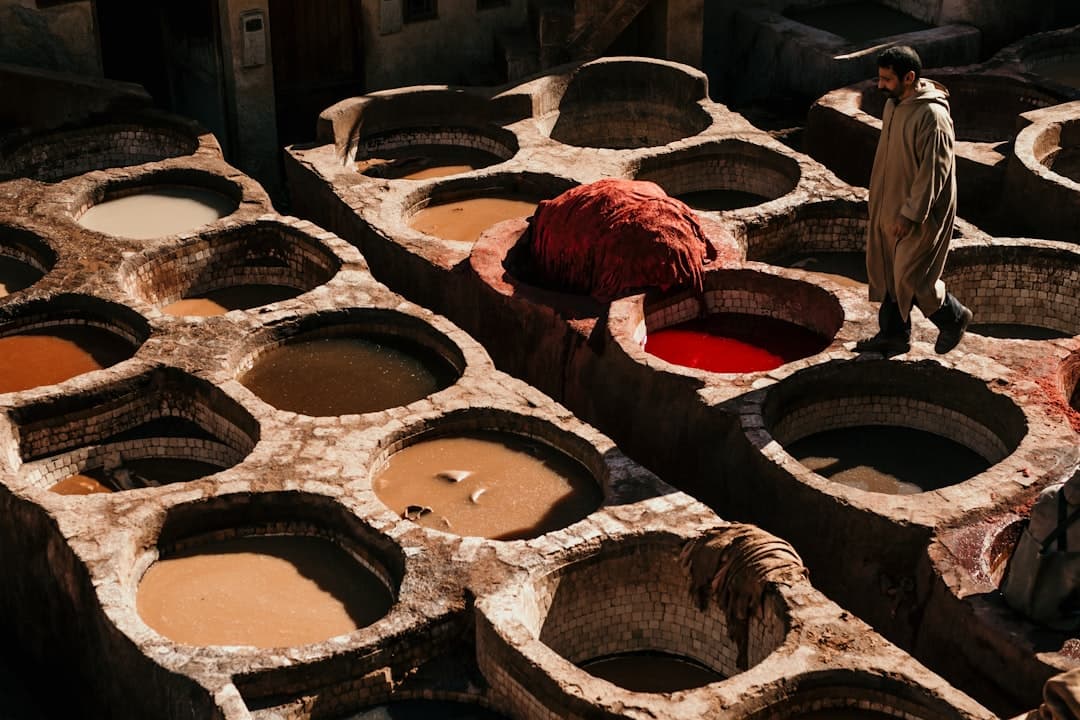
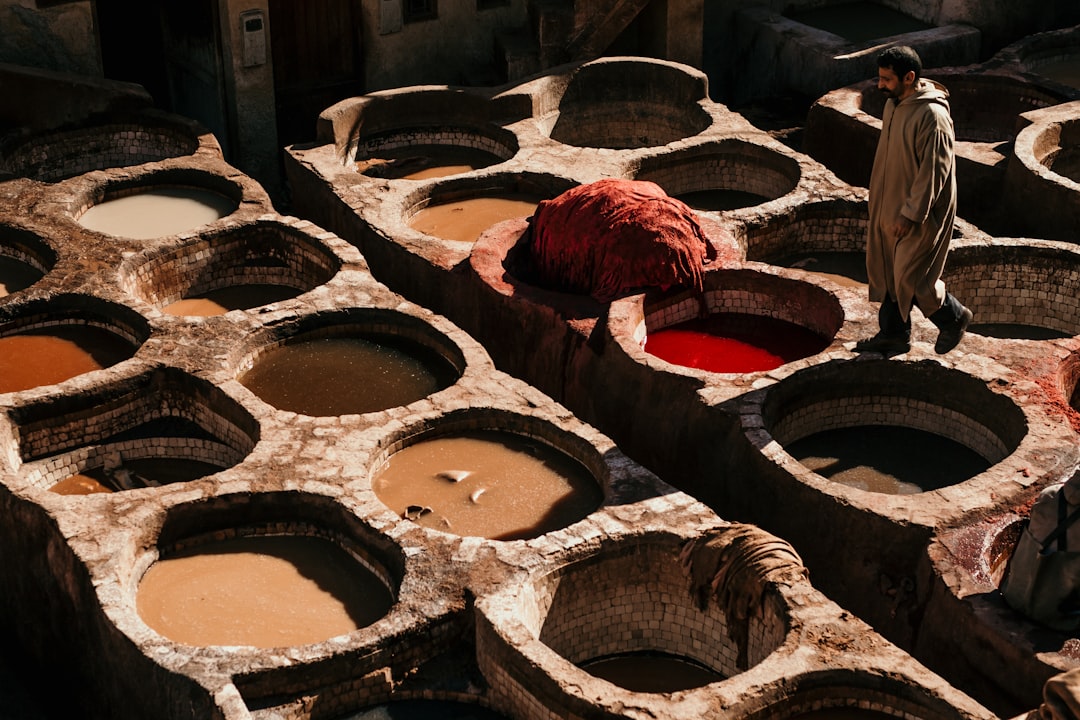
Yes — and they are the single most iconic sight in Fes. The Chouara Tannery has been dyeing leather on the same spot since roughly the 13th century (about 900 years), using the same method: stone vats of pigeon droppings and lime to soften hides, then pits of natural dye — poppy red, saffron yellow, indigo, mint green.
You view the pits from the terraces of the surrounding leather shops, which advertise a “free viewing terrace.” That part is genuinely free. The catch: the shop expects you to browse on the way out, and staff can be pushy. You’ll also be handed a sprig of mint “for the smell” — accept it knowing some vendors then ask for a tip. None of this is dangerous; just go in expecting a sales pitch.
What is Al-Qarawiyyin, the oldest university?
The University of Al-Qarawiyyin was founded in 859 AD by Fatima al-Fihri, a woman, and is widely recognized — including by Guinness World Records — as the oldest existing, continually operating degree-granting university in the world. Its mosque is one of the largest in Africa.
Note the limit: Al-Qarawiyyin is an active mosque, so non-Muslims cannot enter the prayer hall. You can, however, peer through the great doors into the courtyard and see the green-tiled roof and fountain — and that view alone is worth the detour. To actually walk inside historic Fassi architecture, you go to the madrasas next.
Which madrasas are worth your time?
Madrasas were Quranic colleges, and Fes has the most beautiful in Morocco. Two are open to all visitors and easily the best-value sights in the city:
- Bou Inania Madrasa (14th century, just off the Blue Gate end of Talaa Kebira) — the grandest, with carved cedar, marble, and a working minaret. Entry is around 20 MAD (~$2).
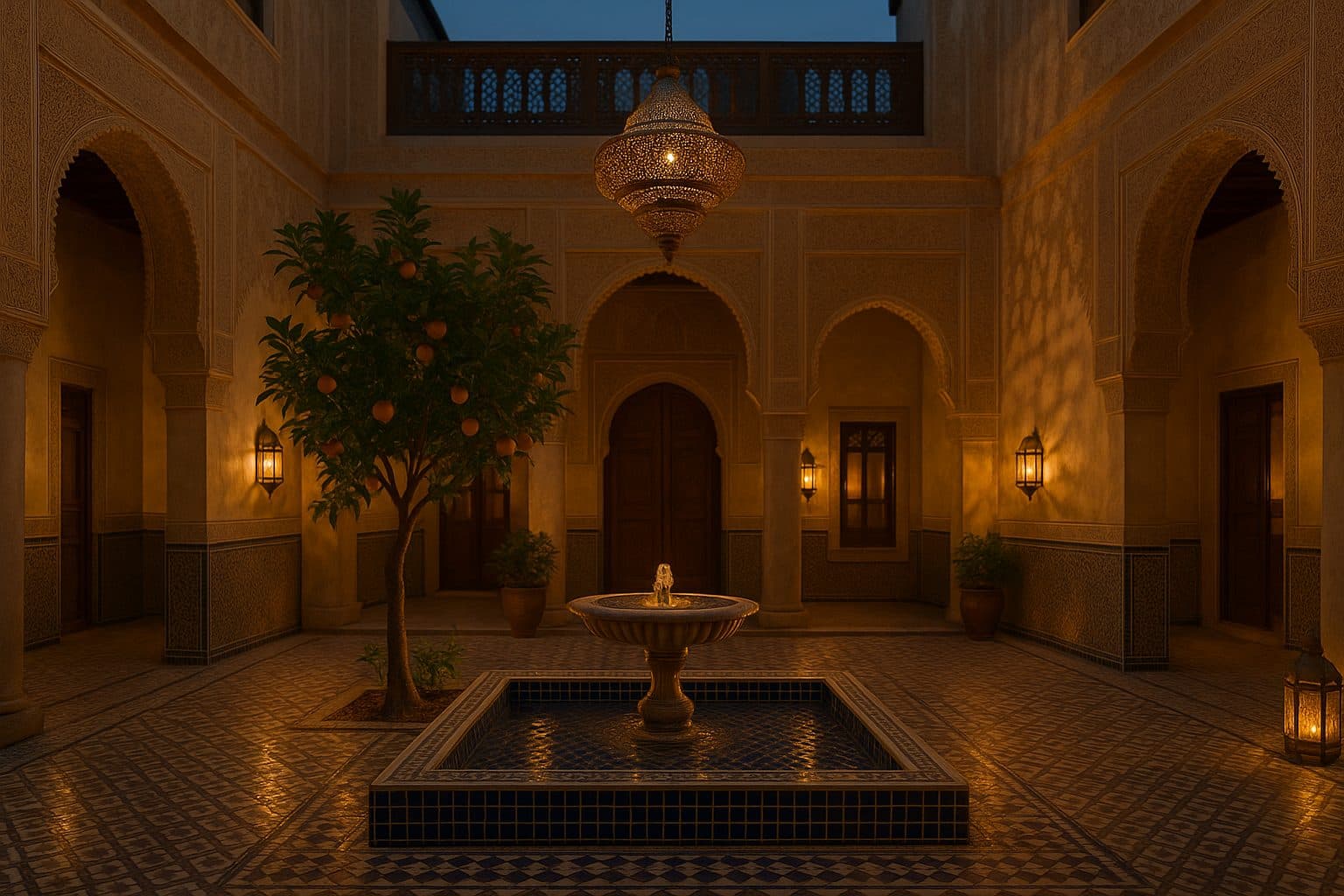
- Al-Attarine Madrasa (built 1323–25, near Al-Qarawiyyin) — smaller but arguably more refined, a perfect square of zellij tilework, stucco, and cedar. Entry is around 20 MAD (~$2).
Both are tiny, so 20–30 minutes each is plenty. Together they show you the finest zellige (geometric tile mosaic) craftsmanship you’ll see anywhere in Morocco.
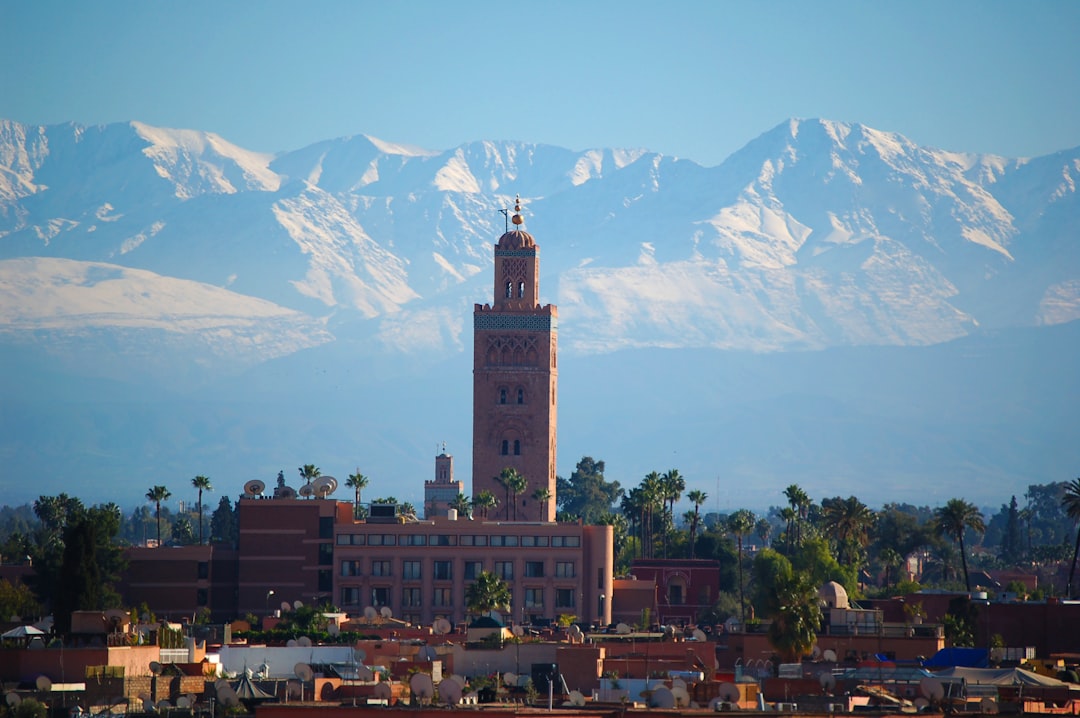
The Blue Gate, Nejjarine & where to eat
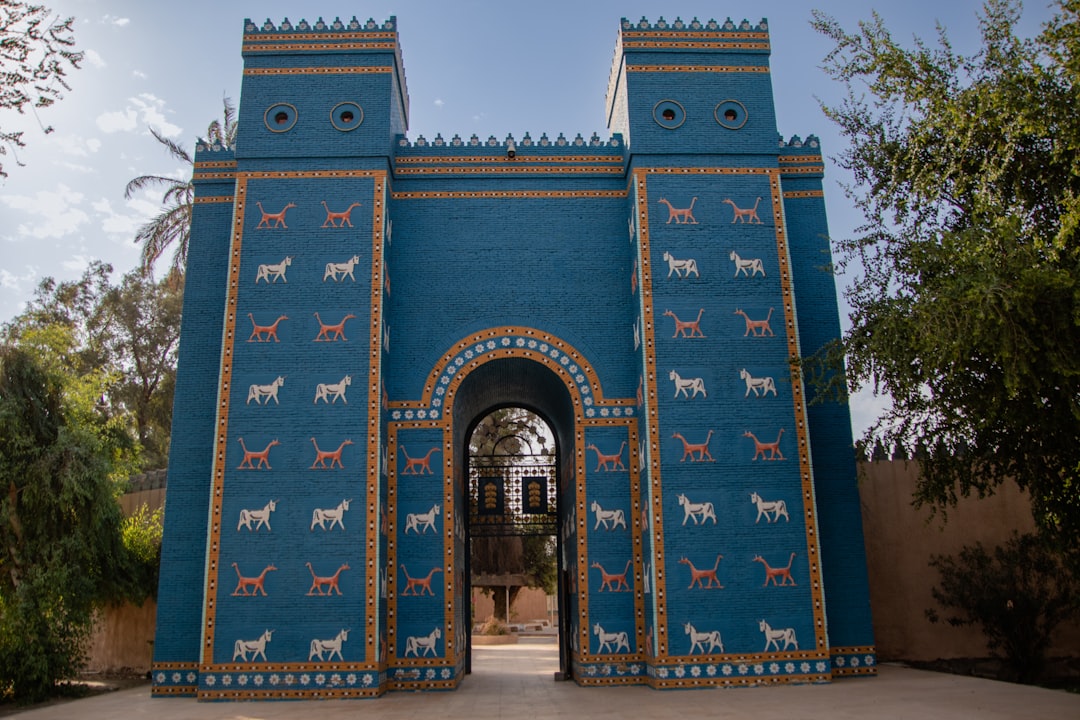
Bab Bou Jeloud — the Blue Gate — is the grand western entrance to the medina, built by the French in 1913. Its outer face is cobalt blue (the color of Fes pottery); the inner face is green (the color of Islam). Stand under it for the classic shot of two minarets framed in the archway, then use the cafés on the square as your base — the rooftops here serve breakfast with a view over Talaa Kebira.
Deeper in, Place Nejjarine holds the beautiful 18th-century Nejjarine Fountain (a zellij-clad public saqayya) and the Nejjarine Museum of Wood Arts & Crafts, set in a restored funduq (medieval merchants’ inn) reopened as a museum in 1998. Entry is about 30 MAD, and the rooftop terrace is one of the calmest views in the medina. For what to order at the food stalls in between, see our Moroccan food guide.
Where are the best viewpoints over Fes?
The medina is a valley, so the best panoramas are from the hills on its northern rim:
- Borj Nord — a 16th-century Saadian fortress that now holds an arms museum, with a sweeping terrace over the whole medina.
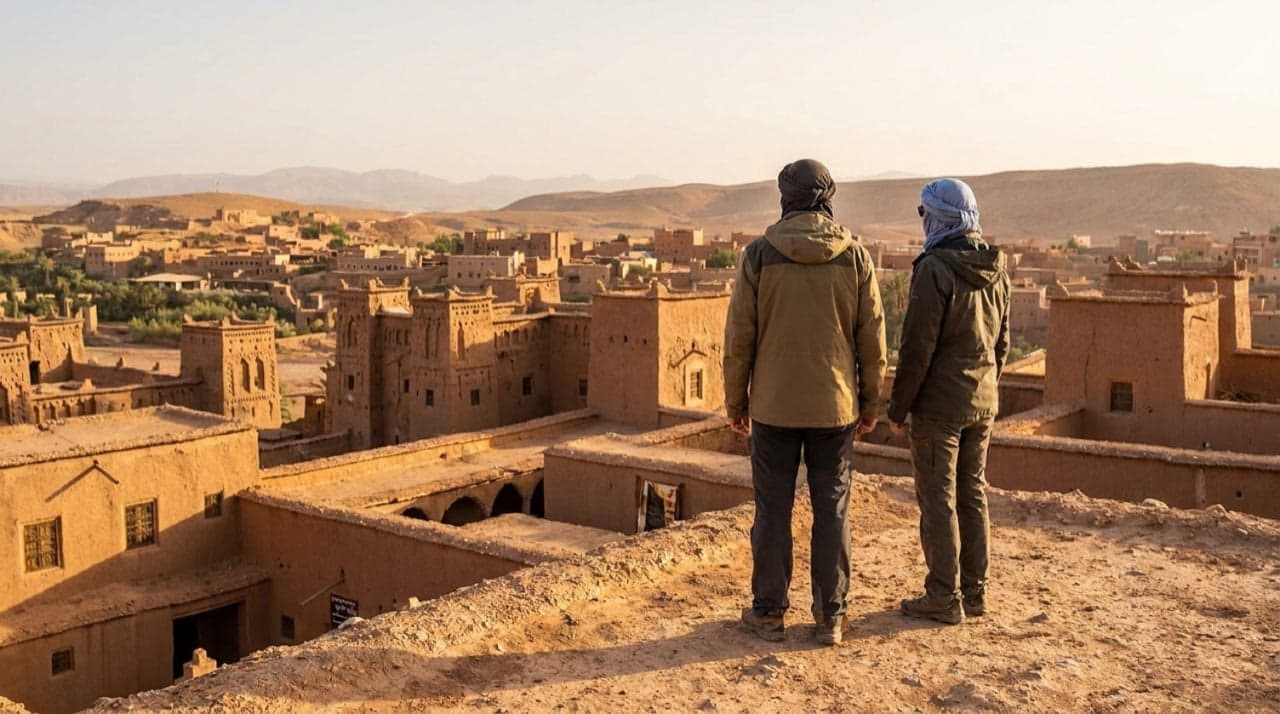
- Marinid Tombs — the ruins of a 14th-century royal necropolis on the opposite hill, and the classic free sunset spot. The minarets and rooftops of Fes el-Bali spread out below.
Both sit above Bab Guissa gate; it’s a 15–20 minute uphill walk, or a short taxi. Come for golden hour and bring water.
Where to see artisans and shop the souks
Fes is the craft capital of Morocco, and watching the work is half the fun. Beyond the tanneries, look for the brass and copper beaters of Place Seffarine, the weavers and tailors off Talaa Kebira, and the pottery cooperatives in the Ain Nokbi quarter on the medina’s edge, where the cobalt-blue Fassi ceramics and zellij tiles are cut by hand. The Mellah (the old Jewish quarter beside the royal palace in Fes Jdid) is worth a wander for its balconied houses and the gilded gates of the Dar al-Makhzen. If a particular craft hooks you, our guide to traditional Moroccan clothing explains what you’re looking at on the tailors’ racks.
Day trip: Meknes & Volubilis
If you have a third day, the best escape from Fes is west to Volubilis, Morocco’s finest Roman ruins and a UNESCO World Heritage Site — mosaic floors, a triumphal arch, and standing columns in open farmland, about 1.5 hours away. Pair it with Meknes (60 km from Fes), the smaller, calmer imperial city with its monumental Bab Mansour gate. A driver makes the loop easy in a day. This is exactly the kind of leg that slots into a wider route — see how Fes fits a full trip in our Morocco itinerary planner and the 7-day Morocco itinerary.
How long do you need in Fes?
Two days is the sweet spot. Day one: the medina core — tanneries, Al-Qarawiyyin, both madrasas, the Blue Gate, Nejjarine. Day two: viewpoints at sunrise, souks and craft workshops, the Mellah, plus margin to get pleasantly lost. One full day covers the must-sees if you’re tight, but you’ll be rushing. Add a third day only for the Meknes–Volubilis trip. On a longer Morocco route, Fes pairs naturally with a northern leg toward Chefchaouen — see is Chefchaouen worth visiting and our 10-day Morocco itinerary.
How to get around Fes
Inside Fes el-Bali, there is no transport but your feet — it’s car-free. Outside the walls, red petit taxis are metered and cheap (insist on the meter, or agree the fare first). Stay inside the medina in a riad so you’re walking distance from everything; the Ville Nouvelle is modern but a 15-minute taxi from the sights. For where to base yourself, see our Morocco accommodation guide. Fly into Fes–Saïss (FEZ) for direct European links, or arrive by train — full options in our Morocco airports & flights guide.
Fes attractions at a glance
| Sight | Area | Entry (MAD) | Time needed |
|---|---|---|---|
| Chouara Tanneries | Fes el-Bali | Free (terrace) | 30–45 min |
| Al-Qarawiyyin (courtyard view) | Fes el-Bali | Free | 15 min |
| Bou Inania Madrasa | Talaa Kebira | ~20 | 20–30 min |
| Al-Attarine Madrasa | near Al-Qarawiyyin | ~20 | 20 min |
| Nejjarine Museum & Fountain | Place Nejjarine | ~30 | 30–45 min |
| Bab Bou Jeloud (Blue Gate) | Medina entrance | Free | 10 min |
| Borj Nord & Marinid Tombs | North hills | Free / small | 45–60 min |
| Volubilis (day trip) | 1.5 hr west | ~70 | Half/full day |
Frequently Asked Questions
Q: How many days do you need in Fes?
Two days is ideal. Day one covers the medina core — the Chouara Tanneries, Al-Qarawiyyin, the Bou Inania and Al-Attarine madrasas, the Blue Gate, and the Nejjarine Fountain. Day two adds the hilltop viewpoints, the souks and craft workshops, and the Mellah. One full day is enough for the must-sees if you’re pressed, but the medina rewards a slower pace, so don’t rush it.
Q: Is Fes worth visiting?
Yes. Fes el-Bali has been a UNESCO World Heritage Site since 1981 and is the world’s largest car-free urban area, home to Al-Qarawiyyin — founded in 859 AD and the oldest existing university on earth. It is Morocco’s spiritual and craft capital, with far less tour-bus traffic than Marrakech and a denser, more authentic medieval medina. For history and living craft, no other Moroccan city matches it.
Q: Can you visit the tanneries in Fes?
Yes. The Chouara Tanneries are viewed for free from the terraces of the surrounding leather shops, which openly advertise “free viewing terrace.” The view itself costs nothing, but the shop expects you to browse afterward, and staff can be persistent. You’ll often be handed a sprig of mint for the strong smell — accept it knowing some vendors then ask for a tip. Go mid-morning for the best light.
Q: Is Fes or Marrakech better?
They serve different trips. Fes is older, quieter, and more authentic — the place for UNESCO history, the oldest university, and hand-craft workshops with fewer crowds. Marrakech is louder, more touristed, and stronger on nightlife, gardens, and day-trips to the Atlas and Sahara. For a first Morocco visit many do both. If you want depth and atmosphere over buzz, choose Fes; see our Marrakech guide to compare.

Sources
- UNESCO World Heritage Centre — Medina of Fez, inscribed 1981 — whc.unesco.org/en/list/170
- UNESCO World Heritage Centre — Archaeological Site of Volubilis — whc.unesco.org
- Wikipedia — University of Al-Qarawiyyin (founded 859 AD) — en.wikipedia.org
- Wikipedia — Bab Bou Jeloud (built 1913) — en.wikipedia.org
- Wikipedia — Marinid Tombs (14th century) — en.wikipedia.org
- Wikipedia — Funduq al-Najjarin / Nejjarine Museum — en.wikipedia.org
Continue your Morocco prep
- Things to Do in Marrakech — the southern counterpart to Fes.
- Morocco Itinerary Planner — where Fes fits in a 5–14 day trip.
- 7-Day Morocco Itinerary — the classic loop that ends in Fes.
- 10-Day Morocco Itinerary — add Chefchaouen north of Fes.
- Morocco Accommodation Guide — riads vs. Ville Nouvelle in Fes.
- Moroccan Food Guide — what to eat in the medina.
- Moroccan Culture & Customs — etiquette for mosques and souks.
- Is Chefchaouen Worth Visiting? — the blue city, 3 hours north.
- Best Time to Visit Morocco — when Fes is at its best.
- Traditional Moroccan Clothing — decode the tailors’ racks.
- Morocco Airports & Flights — flying into Fes–Saïss (FEZ).
- Private Morocco Tours & Guides — book a licensed Fes guide.