
If you’re packing for Morocco and staring at your charger wondering whether it’ll fit the wall — or fry — this is the only page you need. The plug question is genuinely simple once you separate two things people constantly confuse: the shape of the plug (solved by a cheap adapter) and the voltage of the electricity (where one specific type of device can actually be ruined). Below is the boots-on-the-ground version, with the riad reality nobody else mentions.
What plug type does Morocco use?
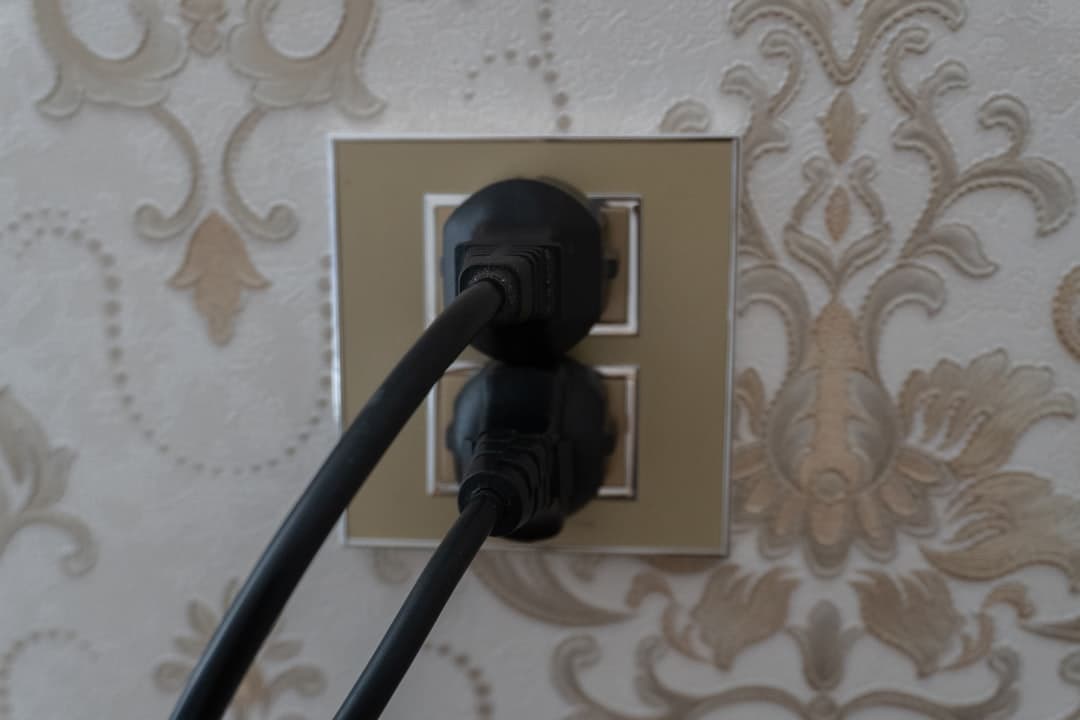
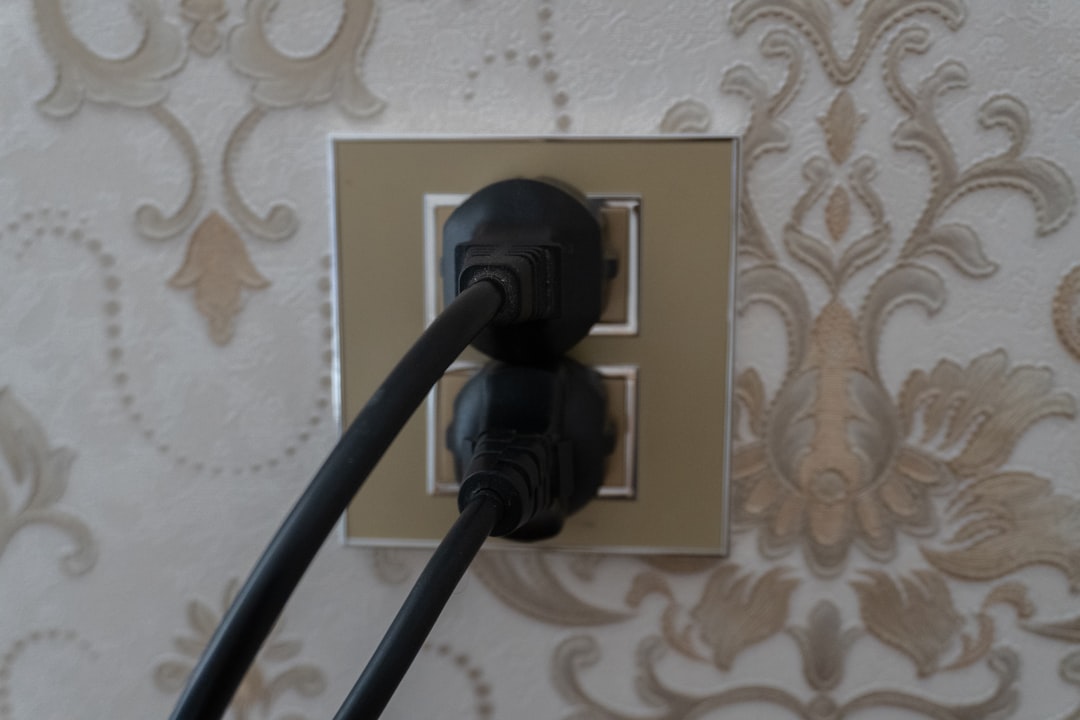
Morocco uses Type C and Type E plugs and sockets. Both have two round pins spaced 19 mm apart.
- Type C is the ungrounded “Europlug” (standard CEE 7/16) — two round pins, no earth.
- Type E is the grounded French standard (CEE 7/5) — two round pins plus a hole that accepts a male earthing pin sticking out of the socket.
The practical upshot: a Type C plug fits into both Type C and Type E sockets, while a grounded Type E or hybrid Type C/E plug is the safest bet for anything with a metal body. Any standard continental-European two-round-pin plug slots straight into a Moroccan wall. There are no separate “Moroccan-only” plugs to hunt for.
What is Morocco’s voltage and frequency?
Morocco runs on 220 volts at 50 hertz. For travelers from anywhere in Europe, the UK, or Australia (all on 230V/50Hz), that’s effectively the same supply — your devices see no meaningful difference. For travelers from the United States and Canada, where the standard is 120V at 60Hz, the voltage is nearly double, and that gap is the one thing worth understanding before you plug anything in.
One footnote for completeness: some older corners of Morocco’s grid historically ran at 127V, a legacy from the early French-era installations. You’ll essentially never encounter it in a hotel, riad, airport, or modern apartment today — every current installation is 220V — but if you’re staying somewhere very old and a heating appliance behaves oddly, that’s the (rare) reason why.
Is Morocco’s plug the same as Spain and the rest of Europe?
Yes. Morocco’s plugs and sockets are the same Type C/E, 220V/50Hz combination used in Spain, France, Portugal, Belgium, Italy, Germany and most of continental Europe. If you’re crossing the Strait — and many travelers do, see our ferry-from-Spain guide — the adapter you used in Tarifa or Algeciras works without a single change in Tangier or Marrakech. You do not need to buy a second set.
The only Europeans who need an adapter are travelers from the United Kingdom and Ireland, which use the chunky three-rectangular-pin Type G plug. A Brit flying into Morocco needs a Type G→C/E adapter, the same one used for a holiday in Spain.
Do US, UK and Australian travelers need an adapter for Morocco?
Yes — anyone whose home plug isn’t already the two-round-pin European shape needs a plug adapter. Here’s the at-a-glance breakdown:
| Traveler from | Plug type at home | Home voltage | Plug adapter needed? | Voltage converter needed? |
|---|---|---|---|---|
| USA / Canada | Type A / B | 120V / 60Hz | ✅ Yes | Only for single-voltage devices |
| UK / Ireland | Type G | 230V / 50Hz | ✅ Yes | ❌ No (voltage already matches) |
| Australia / NZ | Type I | 230V / 50Hz | ✅ Yes | ❌ No (voltage already matches) |
| Spain / France / EU | Type C / E | 230V / 50Hz | ❌ No (already fits) | ❌ No |
The pattern: everyone except continental Europeans needs an adapter, but only US/Canada travelers ever need to think about a converter — and even then, only for certain devices, explained next.
Do I need a voltage converter in Morocco — or just a plug adapter?
This is the question that matters, so be precise about it. A plug adapter only changes the shape so your prongs fit the hole — it does nothing to the electricity. A voltage converter actually steps 220V down to 120V (or vice versa).
- If your device is dual-voltage (100–240V) — which covers virtually every modern phone charger, laptop power brick, tablet charger, camera battery charger, and e-reader — you need only a plug adapter. The device handles 220V natively. No converter.
- If your device is single-voltage 110–120V only — common with some US hair dryers, flat irons, curling wands, and small kitchen gadgets — plugging it into Morocco’s 220V will overheat or destroy it, and can be a genuine fire risk. This is the one scenario where a US traveler needs either a voltage converter or, better, a dual-voltage travel version of the appliance.
How do I check if my device is dual-voltage?
Read the fine print on the charger brick or the device’s rating plate. Look for one of two things:
- “INPUT: 100–240V, 50/60Hz” → dual-voltage. Safe in Morocco with just an adapter.
- “INPUT: 120V, 60Hz” (a single number) → single-voltage. Needs a converter, or don’t bring it.
Around 95% of travel electronics sold today are dual-voltage — phones, laptops, and cameras almost always are. The exceptions are heating appliances and cheap older gadgets. Thirty seconds of squinting at the label saves you a destroyed device and a hotel-room scorch mark.
What should you actually pack for charging in Morocco?
Keep it minimal. For a typical traveler:
- One universal travel adapter with a Type C/E output (or a dedicated US/UK/AU → Europe adapter). Buy it at home — it’s cheaper than at the airport.
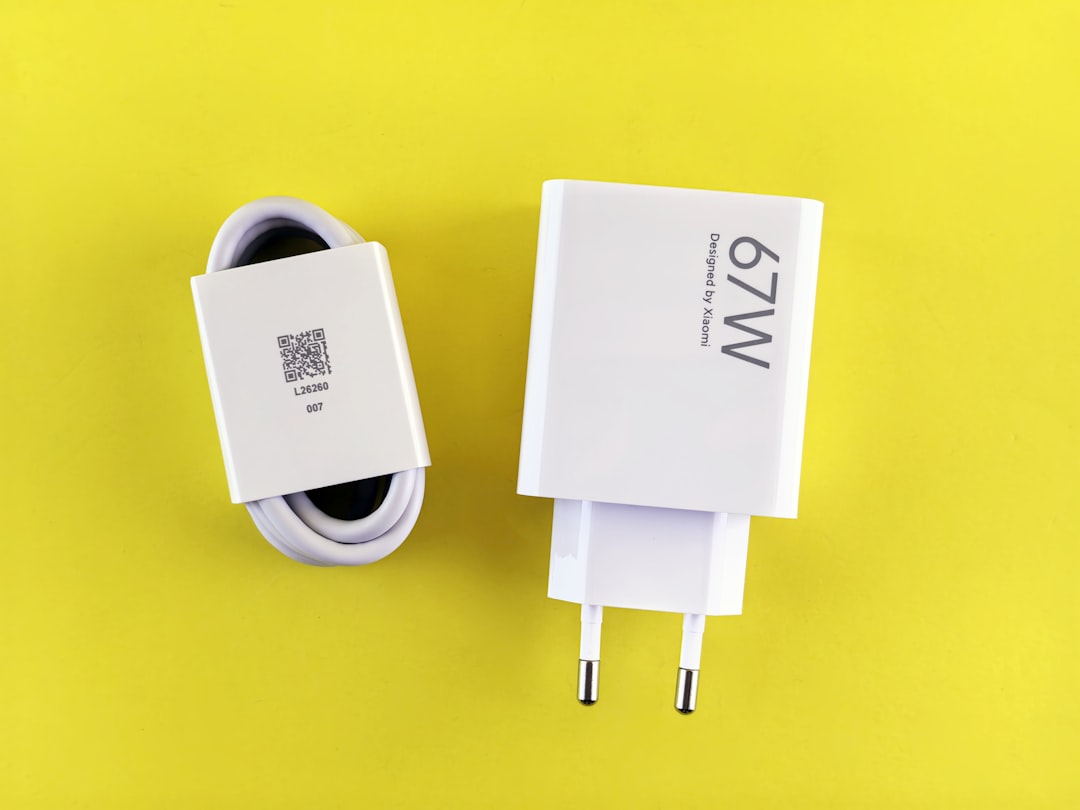
- A multi-port USB charging block (one wall plug, three or four USB-A/USB-C outputs). This is the single best item to pack — it turns one adapter into a four-device charger.
- Your normal dual-voltage cables and bricks. No converter unless you’re bringing a single-voltage heating appliance.
How is USB charging in riads and hotels?
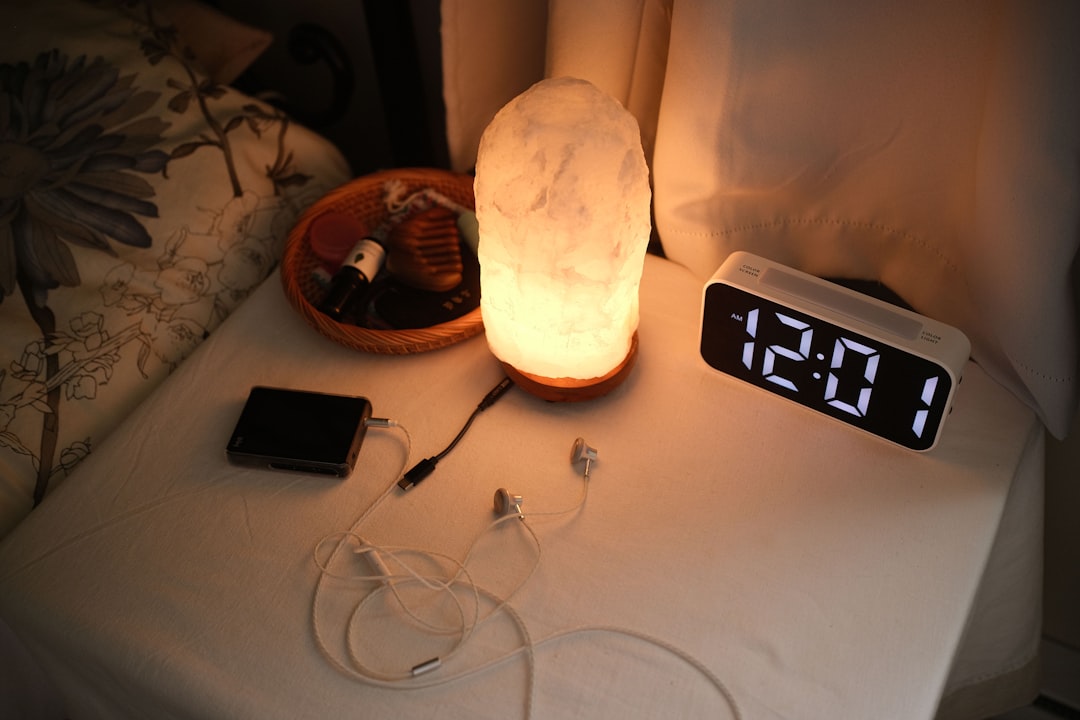
Modern hotels and newer riads increasingly have USB ports built into the bedside lamps or wall plates, so you can often charge a phone with just a cable. Don’t count on it, though. Many of Morocco’s most atmospheric stays are converted historic medina houses where sockets are few, sometimes awkwardly placed, and rarely beside the bed.
This is where the multi-port USB block earns its place — and a compact extension lead or power strip is a genuinely useful pack item for older riads, letting the whole family charge from one distant outlet. If reliable charging matters for navigation and your eSIM data connection, bring a power bank too; it doubles as insurance during the occasional brief outage in remote desert camps.
Any airport, region or older-building notes?
A few practical, location-specific points:
- Airports: Casablanca (CMN), Marrakech (RAK), and the other Moroccan airports all sell adapters airside, but at tourist markup. Buy before you fly.
- Desert camps: Sahara overnight camps run on solar/generator power with limited hours — charge fully before you head out, and bring a power bank. See how camps fit into your route in the Morocco itinerary planner.
- Older medina riads: expect fewer outlets; ask about USB-equipped rooms when you choose your accommodation.
- Adapter shopping locally: pay in dirhams — our Morocco cost guide covers budgeting, cash, and cards.
In summary: Morocco is one of the easiest electrical destinations to prepare for. Type C/E, 220V, 50Hz — bring a plug adapter (none needed if you’re coming from continental Europe), pack a multi-USB block, and only worry about a voltage converter if you insist on a single-voltage US hair tool. Sort that in five minutes and you’ll never think about power again on the trip.
Frequently Asked Questions
Q: What plug adapter do I need for Morocco?
You need an adapter that converts your home plug to Type C or Type E (two round pins). Travelers from the US (Type A/B), UK (Type G), and Australia (Type I) all need one; travelers from continental Europe already have the right plug. A single universal travel adapter covers everyone, and a Type C plug fits both Type C and Type E sockets.
Q: Is Morocco 110V or 220V?
Morocco runs on 220 volts at 50Hz. A few older parts of the grid historically used 127V, but you’ll effectively never encounter that today — every modern hotel, riad, and airport is 220V. US and Canadian travelers (whose home supply is 120V) should check whether their devices are dual-voltage before plugging anything in.
Q: Can I use European plugs in Morocco?
Yes — completely. Morocco uses the same Type C/E sockets and 220V/50Hz supply as Spain, France, and most of continental Europe. Any standard European two-round-pin plug fits a Moroccan wall socket without an adapter or converter. If you’re ferrying across from Spain, the adapter you already packed works unchanged.
Q: Do I need a voltage converter for my phone in Morocco?
No. Phone chargers, laptops, tablets, and camera chargers are almost always dual-voltage (rated 100–240V), so they handle Morocco’s 220V natively — you only need a plug adapter to fit the socket. Check the small print on the charger; if it reads “100–240V,” you’re safe with just an adapter and no converter.
Q: Will my US hair dryer work in Morocco?
Only if it’s dual-voltage. A single-voltage 110–120V US hair dryer plugged into Morocco’s 220V will overheat, burn out, or pose a fire risk even with a plug adapter — never do it. Bring a dual-voltage (100–240V) travel model switched to the 220–240V setting, or skip it: most riads and hotels can lend you one.

Sources cited in this guide
- power-plugs-sockets.com — Morocco — plug Types C/E, 220V, 50Hz, adapter requirements by country — power-plugs-sockets.com/us/morocco
- WorldStandards — Plugs, sockets & voltages by country — global plug-type and voltage reference — worldstandards.eu
- IEC — World Plugs — official plug-type standards (Type C = CEE 7/16, Type E = CEE 7/5) — iec.ch/world-plugs
- Electrical Safety First (UK) — travel adaptor guidance for Morocco and dual-voltage advice — electricalsafetyfirst.org.uk
Continue your Morocco prep
- Morocco SIM & eSIM Guide — stay connected once your phone’s charged.
- Morocco Airports & Flights — where to buy an adapter on arrival (and the markup to skip).
- Accommodation in Morocco — riad socket reality and what to ask before booking.
- Is Morocco Expensive? — budgeting and paying in dirhams for that airport adapter.
- Spain to Morocco — same plugs as Spain if you’re crossing by ferry.
- Morocco Itinerary Planner — where charging fits into your packing checklist.
- Best Time to Visit Morocco — season-by-season packing notes.
- Moroccan Culture & Customs — the etiquette that shapes your whole trip.
- Is Morocco Safe? — the honest first-timer’s safety briefing.
- Tipping in Morocco — who to tip and how much, in cash.