
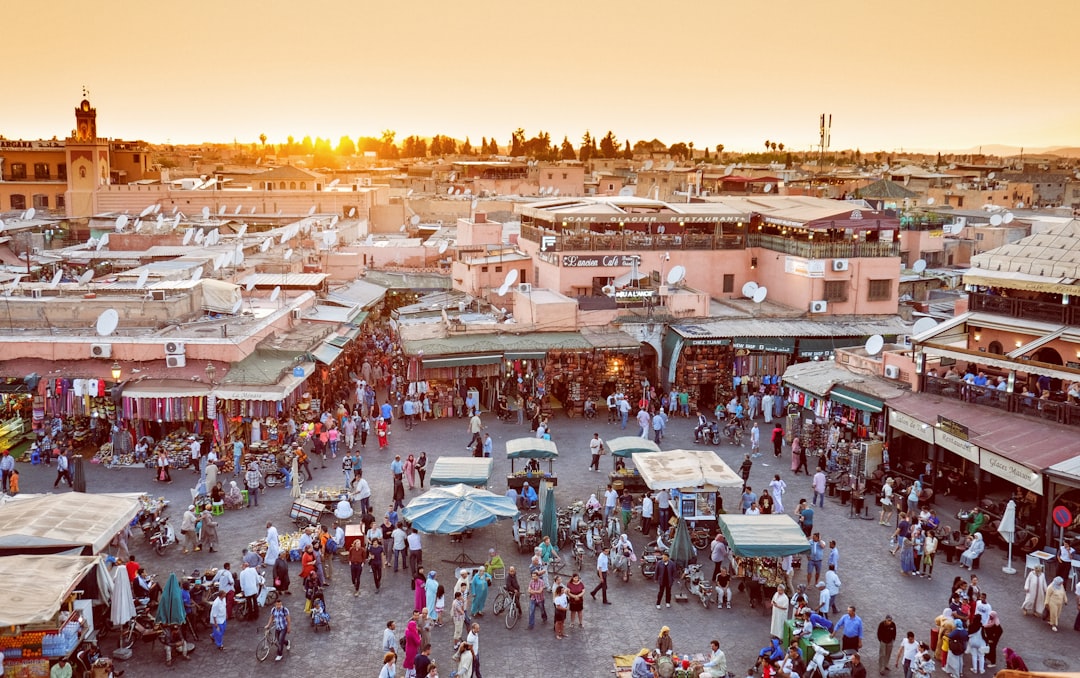
You’ve read one blog calling Marrakech “perfectly safe” and another calling it “a tourist trap full of hustlers.” Both are partly right. I send travelers into Marrakech every week — here’s the honest version: what’s genuinely safe, what the scammers actually do, and the few rules that keep first-timers out of trouble.
Is Marrakech safe overall in 2026?
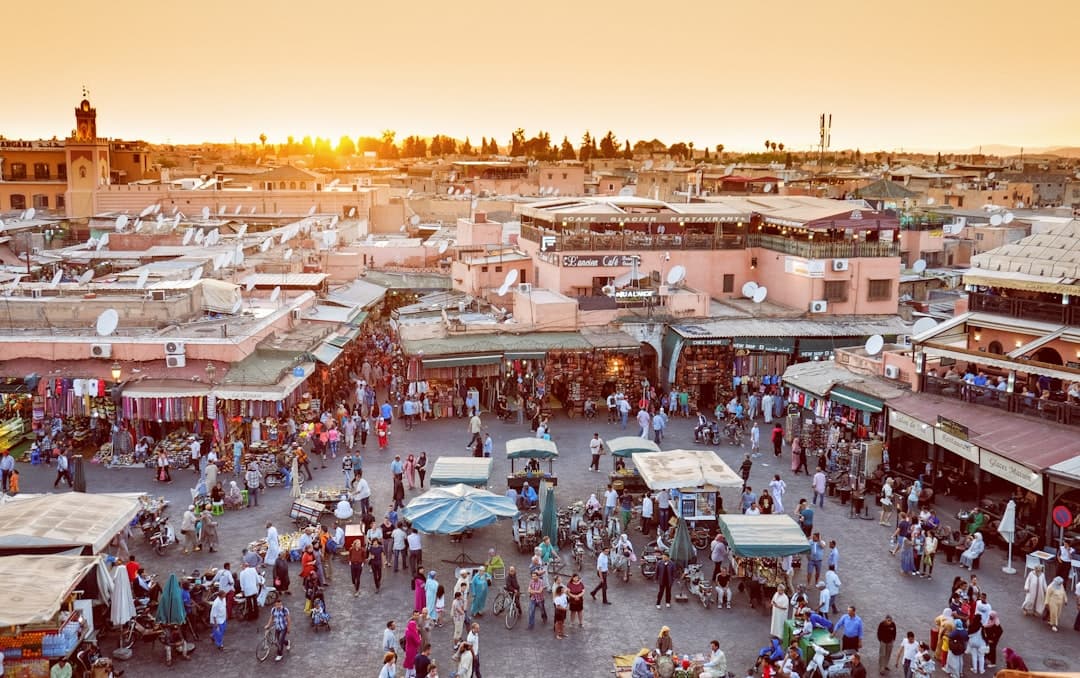
For the vast majority of visitors, yes. The US State Department holds Morocco at Level 2 — “exercise increased caution” — last updated 21 April 2025, with terrorism (not street crime against tourists) cited as the headline reason. The UK FCDO issues no blanket advisory against travel to the country. The millions who pass through Jemaa el-Fna each year overwhelmingly go home with nothing worse than a story about over-paying for orange juice.
What you should actually plan for is petty crime and pressure-selling, not violence — the FCDO specifically flags pickpocketing, bag-snatching, and bogus guides in the medina. Think of Marrakech like any big tourist city with a crowded old town: alert, not afraid.
What are the most common Marrakech scams — and how do you avoid them?
This is where Marrakech earns its reputation, and where 90% of bad tourist experiences come from. None of these scams are dangerous — they’re aimed at your wallet — but they work because they’re delivered with a smile. Here are the ones I see most, and exactly what to do.
| Common Marrakech scam | How it works | What to do |
|---|---|---|
| The fake guide | A friendly local near a medina gate says he’s “going the same way,” walks you to your destination unasked, then demands payment. | Decline firmly: “La, shukran” (no, thanks), keep walking. Real guides carry an official ONMT badge. |
| “This way is closed” | Someone tells you the square, tannery, or souk is “closed today” and offers a shortcut — which ends at a shop where he earns commission. | Ignore it. Nothing in the medina is “closed.” Check your own map and continue. |
| The tannery trap | You’re led to a “free” tannery tour, handed mint sprigs, then pressured for a tip and a carpet — sometimes blocked from leaving until you pay. | Never follow anyone to a tannery. Visit only with a badged guide or an organized tour. |
| Henna ladies | A woman in Jemaa el-Fna grabs your hand and starts a henna design before you agree, then demands a high price. | Keep hands tucked in or politely refuse. Agree a price in writing/photo before anyone touches you. |
| Photo with snake/monkey | A snake charmer or monkey handler drapes the animal on you for a “free” photo, then demands 100–200 DH. | Don’t engage or hold out your phone near them. If you want a photo, agree the price first. |
| The taxi “no meter” | Driver claims the meter is “broken” and quotes a flat (inflated) fare. | The meter is legally mandatory — insist on “compteur” or take the next taxi. |
Is Marrakech safe at night?
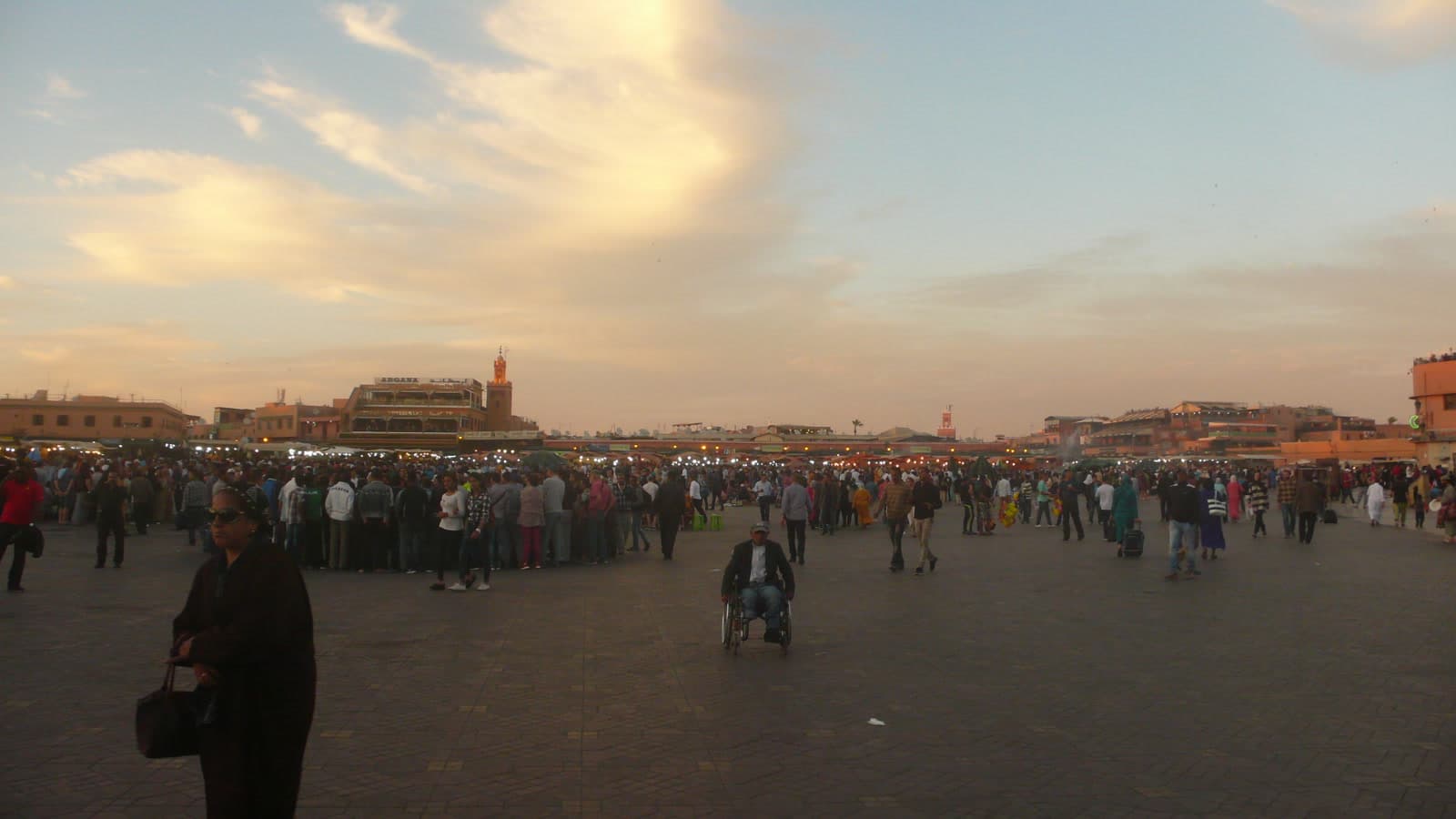
Mostly, with one clear distinction. Jemaa el-Fna and the lit main arteries around it are busy and safe well past midnight — food stalls, families, musicians, police patrols. This is the part of the medina that comes alive after dark, and it’s fine to walk. The risk is the unlit derbs (narrow residential alleys) off the main routes, which empty out and where Google Maps gives up about 40 metres in.
My rule for after dark: take a petit taxi to the closest bab (gate) to your riad and walk in from the lit edge, rather than threading the back lanes from the square. Riads are tucked deep inside the medina by design — your host will gladly tell you which gate to aim for, and many will send someone to meet you.
Is Marrakech safe for solo female travellers?
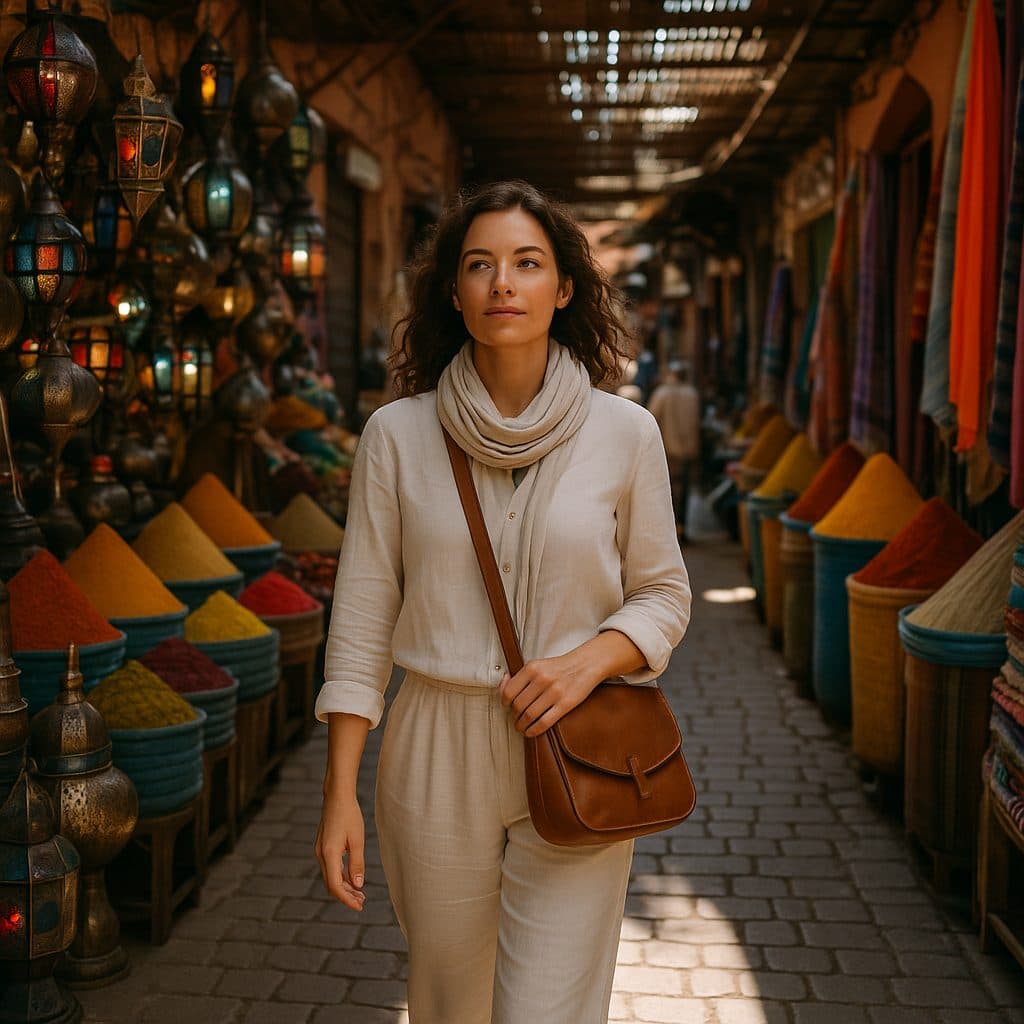
Yes — thousands do it every year — but it comes with a layer that couples and groups don’t face: persistent verbal attention (catcalling, “gazelle,” repeated “where are you from”). It’s wearing rather than dangerous, and a flat “la, shukran” without eye contact handles most of it. Dress that doesn’t cling and a cross-body bag worn in front reduce both unwanted attention and pickpocketing.
The bigger practical points are accommodation locks and after-dark transport — both covered in depth in our honest solo female Morocco safety guide, which is written by a female Marrakech guide. If it’s your first solo trip to Morocco, read that before you book a riad.
Is Marrakech safe for families?
Yes — Marrakech is a genuinely good family destination, and kids tend to be treated warmly. The same scam-awareness applies, plus a few family-specific notes: the snake-charmer and monkey “photo” hustlers in Jemaa el-Fna target children especially, so keep little ones close in the square. Petit taxis legally carry a maximum of three passengers, so a family of four needs two petit taxis or a grand taxi. The medina’s uneven lanes and motorbike traffic make a baby carrier easier than a stroller. For where to base yourself, see our Marrakech accommodation guide.
How do you get around Marrakech safely?
Petit taxis (the small beige cabs) are the workhorse of the city, and the single rule that saves you money is this: the meter (“compteur”) is legally mandatory inside city limits. If a driver says it’s “broken” and quotes a flat fare, that’s the scam — decline and take the next one. Since late 2024, Morocco’s Interior Ministry has tightened enforcement, with meter-refusing taxis risking a 15-day vehicle impound.
To invoke it, say “compteur, s’il vous plaît” (French) or “al-3addad, afak” (Darija). The daytime base fare is roughly 7 MAD, and most in-city rides come to 15–40 MAD. The one legitimate exception is the airport: Marrakech airport uses fixed zone fares of 80–160 DH, where the meter isn’t used. Ride apps don’t operate the same way they do in Casablanca, so petit taxis remain your main option in the medina.
Which areas are safe — and how do you navigate the medina?
Marrakech’s tourist zones — the medina (Jemaa el-Fna, the souks, the riad district), Gueliz (the modern Ville Nouvelle with cafés and shops), and Hivernage (hotels and nightlife) — are all fine to walk by day. The Medina of Marrakech is a UNESCO World Heritage site (Ref. 331, inscribed 1985) with thousands of unmarked alleys, which is exactly why it’s disorienting and why the fake-guide scam thrives.
Navigation tips that actually work: walk like you know where you’re going (hesitation invites “helpers”), download offline maps before you arrive, and use shop names or landmarks rather than street names — most derbs aren’t signed. If you’re genuinely lost, ask a shopkeeper or a woman, not a young man who approaches you first. A working SIM with data makes all of this easier — see our Morocco SIM & eSIM guide.
What emergency numbers do you need in Marrakech?
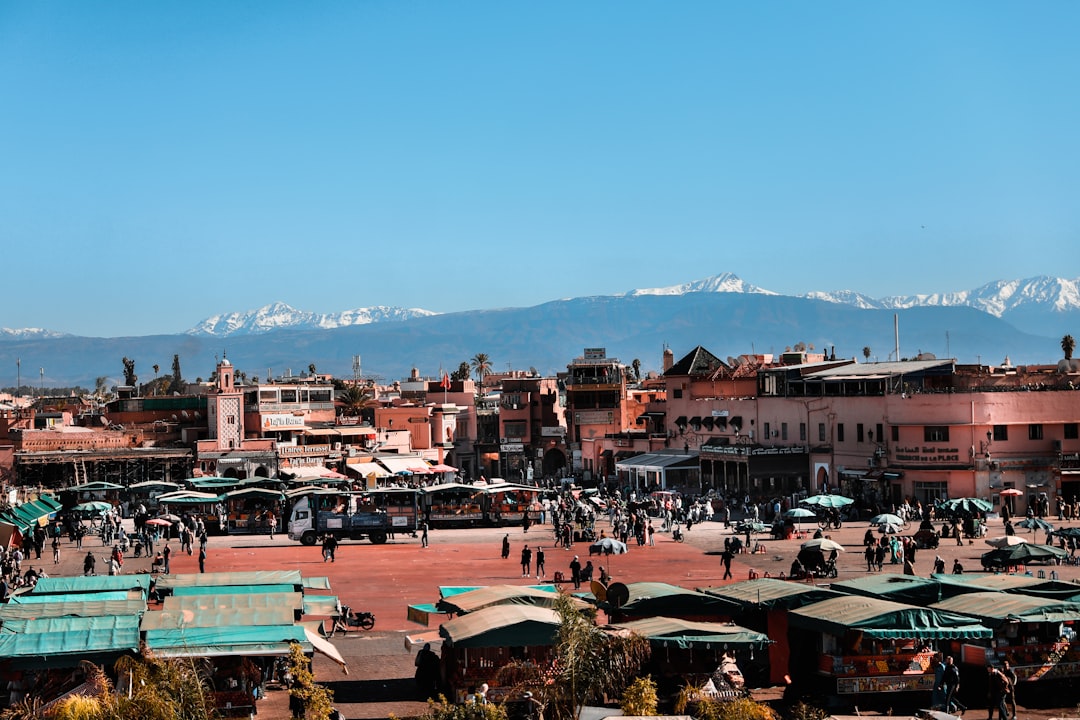
Save these in your phone before you land, not when something goes wrong. In Marrakech specifically, the Brigade Touristique (tourist police) is stationed right by Jemaa el-Fna with multilingual officers, and it’s the place to report theft, scams, or a lost passport.
- Police (urban): 19 — the number for the city
- Universal mobile emergency: 112 — works on every Moroccan network, even with no SIM credit
- Gendarmerie Royale: 177 — for rural roads and highways (e.g. day trips out of the city)
- SAMU medical urgency: 15
- Brigade Touristique (Marrakech): stationed near Jemaa el-Fna — for tourist-specific incidents
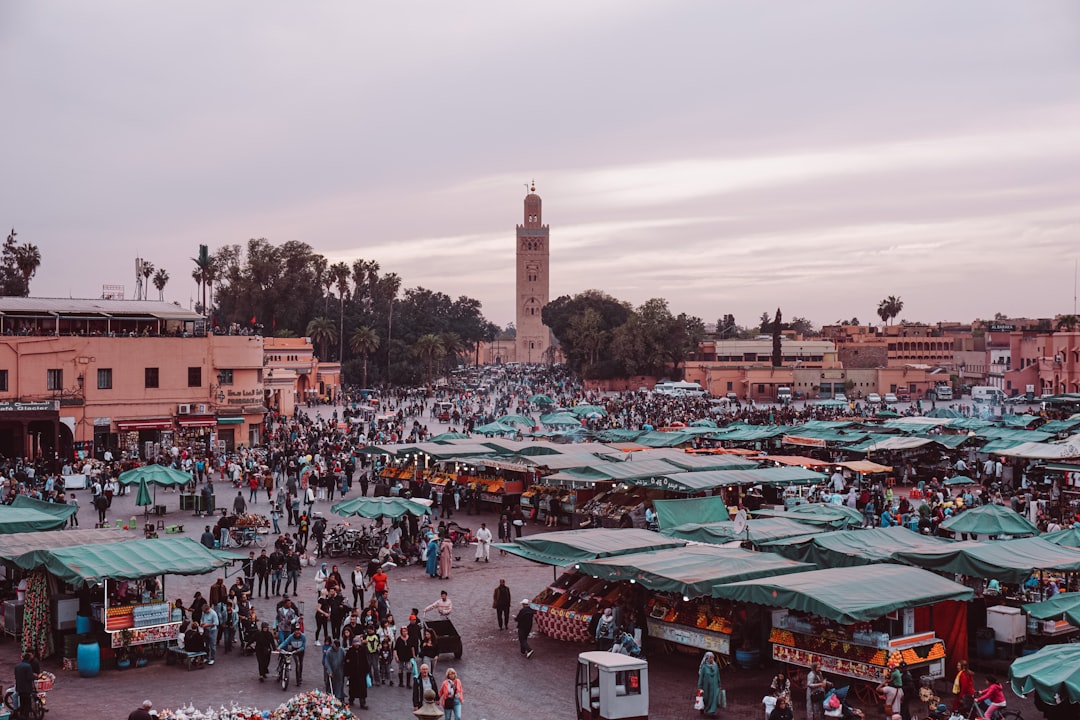
Marrakech scam quick-reference
If you remember nothing else, remember this list:
- “It’s closed, let me show you” — it isn’t closed. Walk on.
- Anyone who walks you somewhere unasked — there’s a bill coming. “La, shukran.”
- Free henna / free photo / free anything — agree the price before it happens, or decline.
- “The meter is broken” — it’s legally required. Take the next taxi.
- “I have no change” — carry small notes so you’re never at their mercy.
- Snake / monkey on your shoulder — that’s 100–200 DH the moment it touches you.
- Real guides carry an ONMT badge — ask to see it, or book through your riad.
In summary
Marrakech is safe for tourists, solo women, and families in the way that matters most — violent crime against visitors is rare, the advisory level is the same Level 2 applied to much of southern Europe, and the city sees millions of happy visitors a year. The actual risks are scams and pickpocketing, and they’re beatable: insist on the taxi meter, refuse uninvited “guides,” stick to lit streets after dark, and keep 19 and 112 saved in your phone. Plan for the hustle, not for danger, and you’ll have a brilliant trip — go enjoy the things Marrakech is actually famous for.
Frequently Asked Questions
Q: Is Marrakech safe for tourists?
Yes. Morocco is rated Level 2 (“exercise increased caution”) by the US State Department, and the UK FCDO issues no advisory against travel. Violent crime against tourists is rare; the real risks are pickpocketing in crowds and pressure-selling scams in the medina. The vast majority of visitors complete their trip without any incident worse than over-paying a vendor.
Q: Is Marrakech safe at night?
Largely yes, with one rule. Jemaa el-Fna and the lit main streets around it stay busy and safe well past midnight, with food stalls, families, and police patrols. The unlit residential alleys (derbs) off the main routes empty out and are best avoided after about 21:00. Take a petit taxi to the gate nearest your riad rather than threading dark back lanes.
Q: Is Marrakech safe for solo female travellers?
Yes, with a plan. Thousands of women visit solo each year. Violent crime is rare, but verbal harassment is common and wearing rather than dangerous — a flat “la, shukran” without eye contact handles most of it. Choose accommodation with verifiable locks, use metered taxis after dark, and read our dedicated solo female safety guide before booking.
Q: What scams should I watch for in Marrakech?
The big four: the fake guide who walks you somewhere unasked then demands payment; the “this way is closed” line that ends at a commission shop or tannery; henna ladies who grab your hand uninvited; and snake/monkey photo hustlers in Jemaa el-Fna. None are dangerous — they target your wallet. Decline firmly, agree any price before it happens, and insist on the taxi meter.

Sources
- US State Department — Morocco Travel Advisory (Level 2) — travel.state.gov
- UK FCDO — Morocco Travel Advice (Safety & Security) — gov.uk
- UNESCO World Heritage — Medina of Marrakech (Ref. 331) — whc.unesco.org
- Office National Marocain du Tourisme (ONMT) — Visit Morocco — visitmorocco.com
- Direction Générale de la Sûreté Nationale (DGSN) — Brigade Touristique — dgsn.gov.ma
Continue your Morocco prep
- Is Morocco Safe? — the country-wide first-timer’s safety briefing.
- Solo Female Morocco Safety Guide — the honest version, by a female Marrakech guide.
- Things to Do in Marrakech — what you came here for, scam-free.
- Day Trips from Marrakech — the Atlas, Ouzoud, Essaouira and beyond.
- Tipping in Morocco — what’s normal, so you’re never overcharged.
- Morocco Airports & Flights — landing smart and skipping the airport-taxi hustle.
- Accommodation in Morocco — choosing a riad with real locks.
- Moroccan Culture & Customs — the etiquette that changes how locals treat you.
- Morocco SIM & eSIM Guide — data for offline maps and emergency calls.
- Morocco Itinerary — fitting Marrakech into 5, 7, 10 or 14 days.
- Private Morocco Tours & Guides — let a local handle the whole thing.