
Morocco can feel like several trips in one: Atlantic coast, Rif and Atlas mountains, desert landscapes, imperial cities and compact medinas. The useful question is not how to collect all 32 experiences below. It is which combination creates a coherent trip without spending every day in transit.
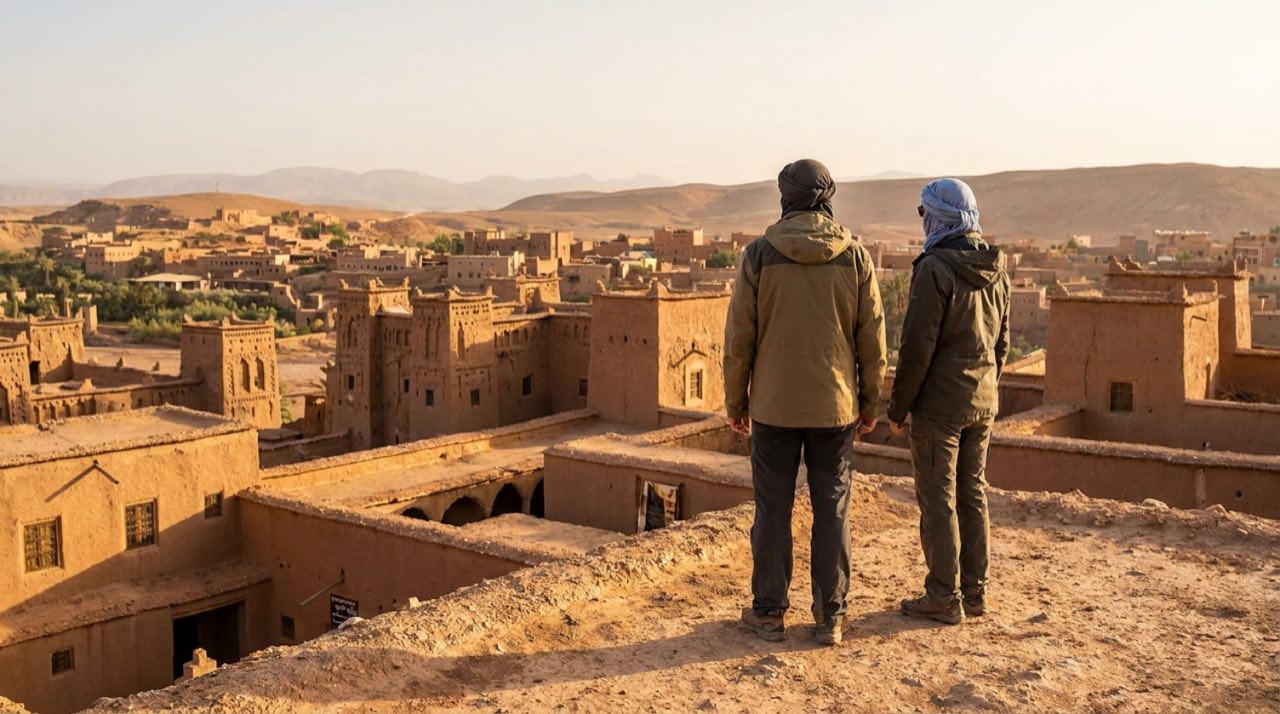
Which Morocco experiences fit your travel style?
Before the list, a decision filter. Morocco has more variety than most countries — desert, mountains, coast, imperial cities, blue villages — and trying to “see it all” in one trip is the most common mistake.
| If you’re… | Prioritize | Skip on this trip |
|---|---|---|
| First-time visitor with 7-10 days | Marrakech (3 nights) + Sahara loop (3 nights) + Fes (2 nights) | Atlantic coast, deep Drâa Valley |
| Photographer | Chefchaouen + Sahara dunes + Aït Benhaddou + Fes medina | Beach resorts, big modern cities |
| Foodie | Marrakech souks + cooking class + Fes spice market + tagine course | Mountain trekking |
| Family with school-age children | Marrakech (medina + garden) + Agafay + an Atlas day trip | A rushed Sahara return drive |
| Active / adventurer | Atlas trekking (Toubkal) + surfing Taghazout + sandboarding Erg Chebbi | Beach lounging |
| Couples / honeymoon | Marrakech riad + Agafay camp + Essaouira coastal | Crowded medinas in summer |
| Returning visitor | Atlantic coast + Anti-Atlas + Drâa Valley + smaller cities (Asilah, Tetouan, Meknes) | The standard tourist loop |
For a complete trip plan, see our perfect 7-day Morocco itinerary or, with more time, the 10-day version or 14-day grand loop. Shorter trip? See what fits in 5 days.
What are Morocco’s eight iconic must-sees?
These are the experiences that show up on every traveler’s social feed for a reason — they earn the hype. But each has a specific best-time and best-approach worth knowing.
1. Jemaa el-Fna square at sunset (Marrakech)
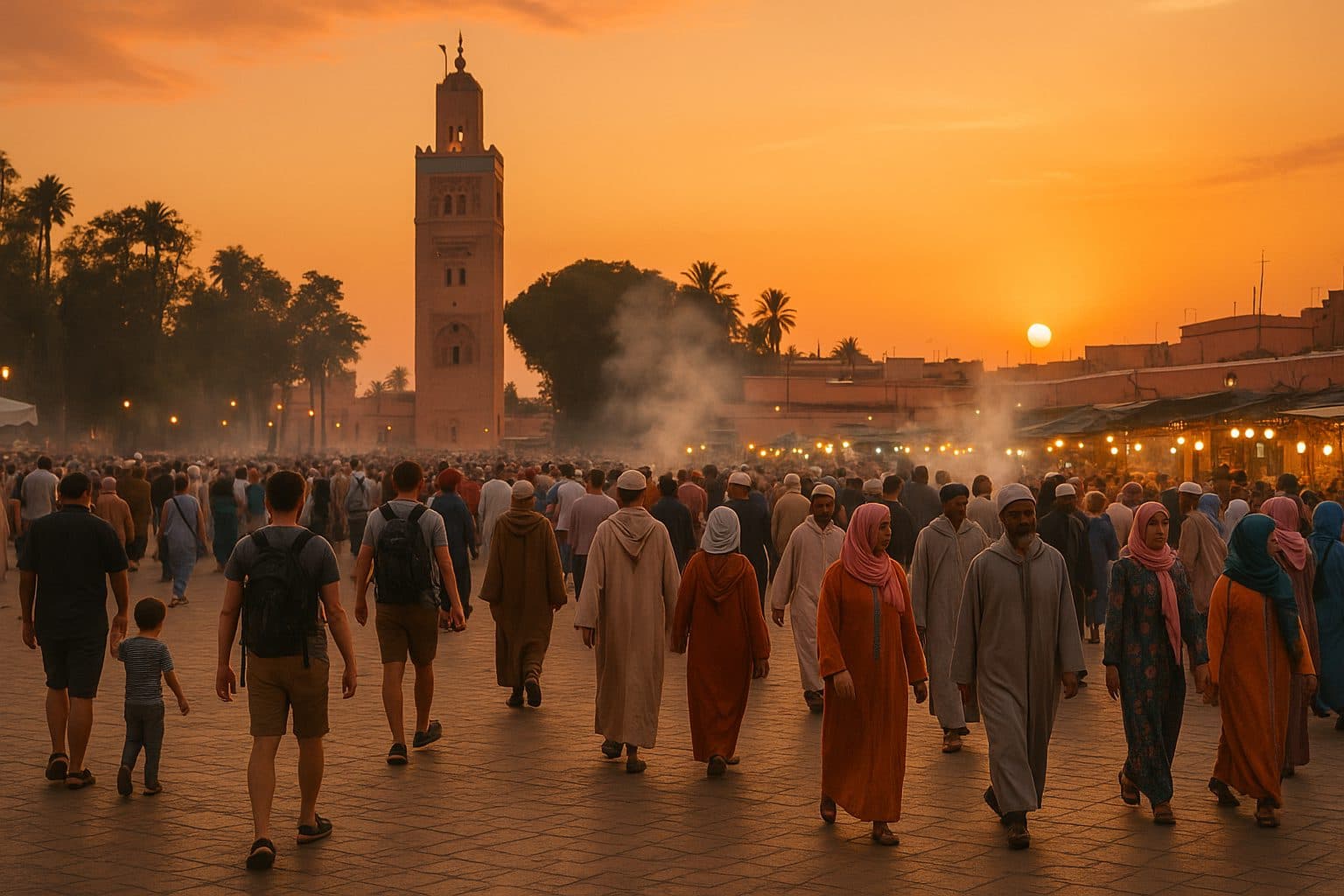
Marrakech’s central square is listed by UNESCO as part of the Intangible Cultural Heritage of Humanity. The rhythm changes after sunset as food stalls, musicians and storytellers gather. Walk through once at ground level, then view the square from a rooftop before deciding where to eat. Treat unsolicited henna as a paid service, not a free sample; the Marrakech safety guide explains the common pressure tactics.
2. The Sahara dunes at Erg Chebbi (Merzouga)
Erg Chebbi gives first-time visitors the classic high-dune landscape, but it is not a quick Marrakech day trip. A responsible plan allows at least three days for the road journey, camel or walking approach, camp night and return. The real decision is shared tour versus private vehicle and basic versus private-bathroom camp; our Marrakech-to-Sahara guide compares those trade-offs.
3. Chefchaouen blue medina (Rif Mountains)
Chefchaouen is a compact Rif Mountain town known for blue-painted lanes and a slower pace than Marrakech or Fes. Staying overnight gives you quieter early-morning streets before day-trip groups arrive. It fits naturally with Tangier and northern Morocco; it is a costly detour in time from a Marrakech-only trip. See the full decision guide on whether Chefchaouen is worth visiting.
4. Hassan II Mosque (Casablanca)
Casablanca’s Atlantic-edge landmark is one of the few major Moroccan mosques that offers scheduled interior tours to non-Muslim visitors. The scale is the reason to go: the minaret rises 210 metres and the prayer hall sits partly over the ocean. Check the Hassan II Mosque Foundation for current tour times and visitor rules rather than relying on an old timetable.
5. Aït Benhaddou UNESCO ksar
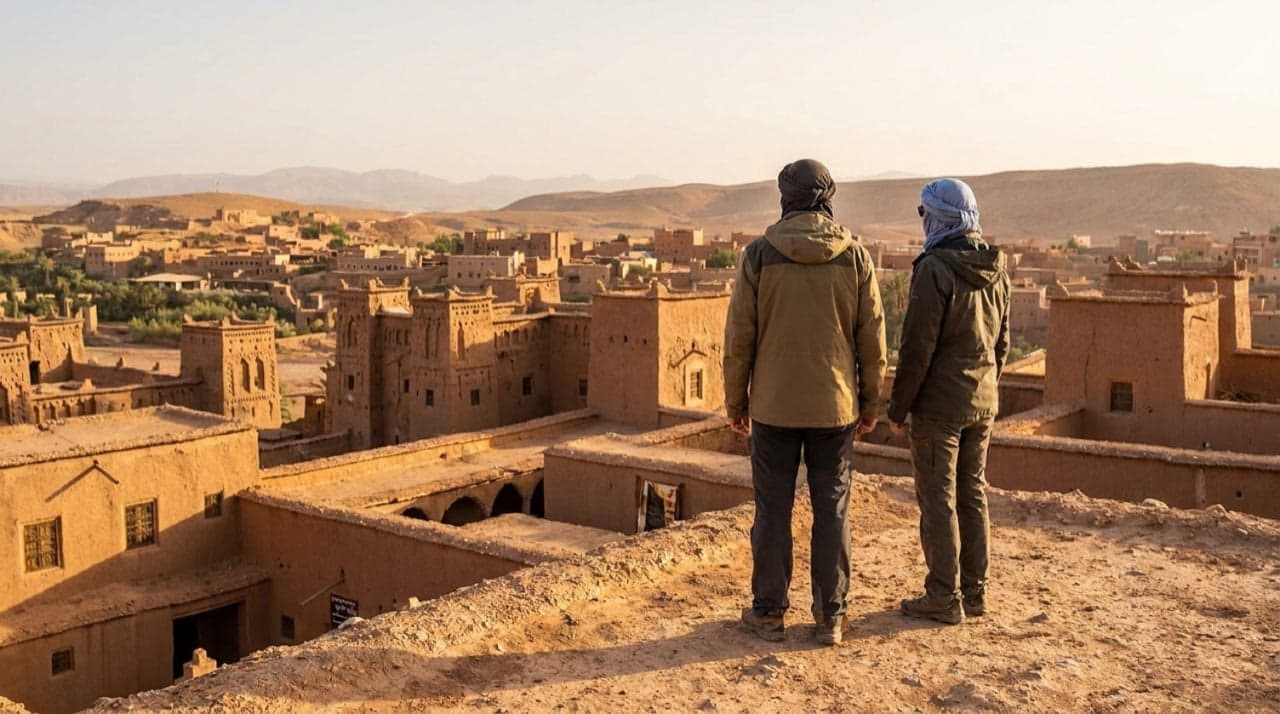
Aït Benhaddou has been UNESCO-listed since 1987 as an outstanding example of southern Moroccan earthen architecture. The climb through the ksar is short but exposed, so morning or late afternoon is more comfortable. It works best as part of the road between Marrakech and the desert, not as a rushed photo stop with no time to walk inside.
6. Fes el-Bali medina
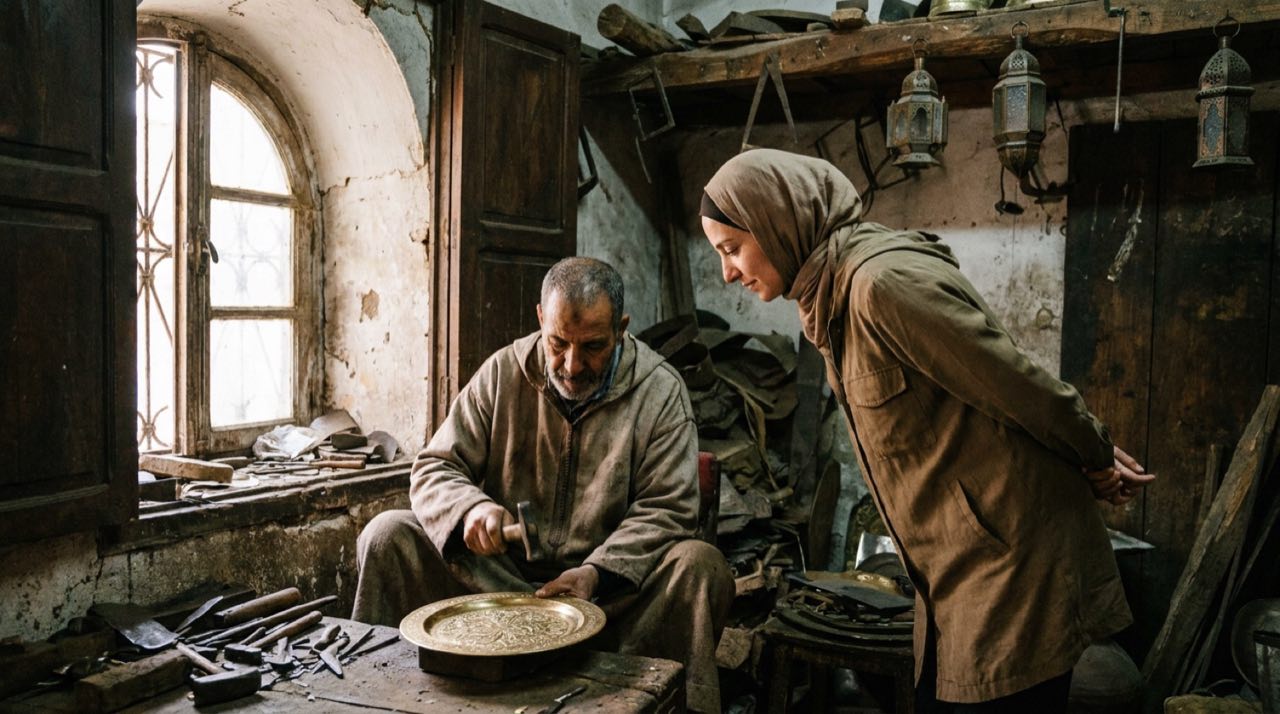
The UNESCO-listed Medina of Fez rewards a slower visit: madrasas, funduqs, food lanes, metalwork and the Chouara tanneries sit inside a dense pedestrian network. A licensed guide is useful for a first half-day because the value is not merely finding an exit; it is understanding how the craft districts and historic institutions fit together.
7. Jardin Majorelle (Marrakech)
The botanical garden is a compact counterpoint to the medina: cobalt architecture, bamboo, cacti and shaded paths. It is popular enough that timed admission matters. Use the official Jardin Majorelle ticket site for current availability and combine it with the nearby Yves Saint Laurent Museum only if design is genuinely part of your trip.
8. Camel trek at sunset
At Erg Chebbi, a short camel approach is often bundled with the camp stay. Closed shoes, sun protection and a scarf are more useful than a special outfit. Travelers with back, hip or mobility concerns should ask for a 4×4 transfer instead; reaching the dunes matters more than forcing one transport method.
What’s the #1 tourist attraction in Morocco?
There is no single attraction that fits every Morocco route. Jemaa el-Fna is the clearest first-time city experience, while Erg Chebbi is the defining landscape experience and Chefchaouen is the strongest northern detour. A seven-day trip rarely needs all three; choose according to arrival airport and tolerance for long drives.
Want help picking which 5-10 of these fit YOUR trip? Chat with me on WhatsApp →
Which Morocco day trips are worth the travel time?
Day trips work especially well if you’re staying multiple nights in one base city.
| # | Day trip | From | Time each way | Cost (private driver) | Worth it for |
|---|---|---|---|---|---|
| 9 | Atlas Mountains (Ourika Valley) | Marrakech | About 1.5h | Villages, waterfalls, mountain lunch | |
| 10 | Atlas Mountains (Imlil — Toubkal area) | Marrakech | About 2h | Walking, villages, mountain scenery | |
| 11 | Essaouira Atlantic coast | Marrakech | About 3h | UNESCO medina, seafood, Atlantic air | |
| 12 | Agafay | Marrakech | About 1h | A rocky sunset landscape without the Sahara drive | |
| 13 | Volubilis Roman ruins | Fes | About 1.5h via Meknes | Mosaics, archaeology, imperial-city pairing | |
| 14 | Cap Spartel + Hercules Cave | Tangier | About 30 min | Cliffs and the Atlantic approach to the Strait |
On Atlas Mountains specifically: if you have 7+ days, prefer the full Atlas-to-Sahara loop over a day trip — the day trip is rushed and you miss the pass-altitude landscapes.
Which cultural experiences add more than another monument?
These are the experiences locals actually do — and most tourist guides skip them.
15. Traditional hammam visit
A Moroccan steam-bath ritual: scrub (with kessa glove), soap (black soap from olive paste), rinse, repeat. Two tiers:
- Public hammam: communal, gender-separated and locally oriented; bring toiletries, sandals and a towel.
- Riad or spa hammam: easier for first-timers, usually private or semi-private, and often paired with a massage.
Insider note: bring your own flip-flops and a clean towel. The traditional hammam is gendered (separate rooms or alternating hours); call ahead to confirm hours for your gender.
16. Mint tea ceremony with a local family
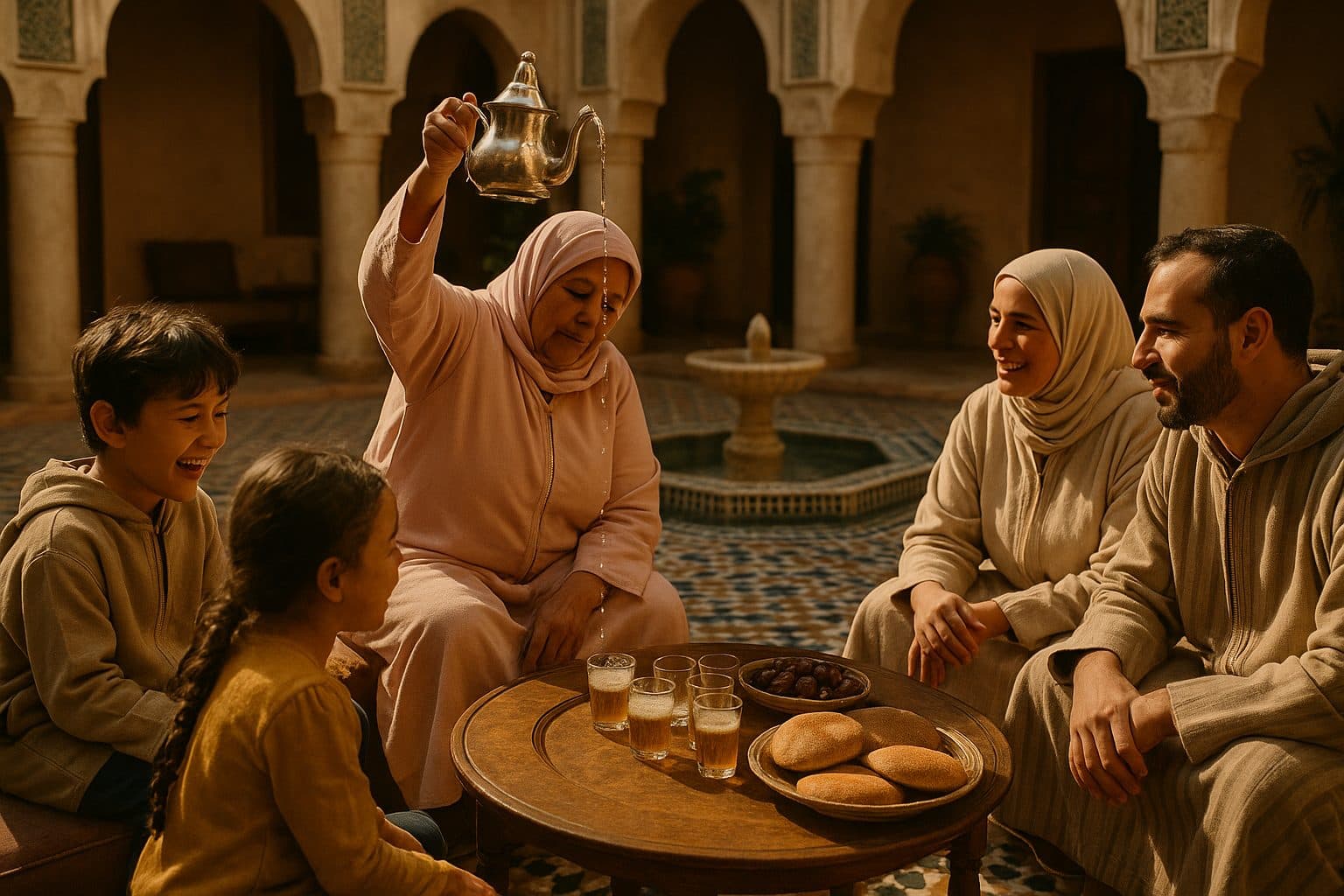
The Moroccan tea ritual — pouring from a height, three glasses representing “life, love, death” — is more than the drink. Many cooking classes include this; some riads offer it as an evening activity for guests.
Treat the ceremony as hospitality rather than a performance. Ask before photographing people, and do not confuse the popular “three glasses” saying with a rule followed in every household.
17. Cooking class (tagine + couscous + bread)
A half-day class typically combines ingredient shopping with a tagine, salad, bread or pastry. Choose a small class that states who teaches it and whether the market visit is included. This is particularly useful early in a trip because it makes later menus, spice stalls and regional dishes easier to understand.
18. Souk shopping with a guide (not without one)
The Marrakech and Fes souks are working commercial districts, not fixed-price malls. A guide can explain materials and workshop geography, but should disclose commissions. Compare several shops and agree on the total before packaging.
For broader shopping etiquette (bargaining, what NOT to buy), see our Moroccan culture and customs guide.
19. Friday couscous (with a family or in a riad)
Couscous is traditionally a Friday lunch — the slow-cooked Moroccan version with seven vegetables and lamb or chicken. Many riads serve it specifically on Fridays as a cultural event. Some host a Moroccan family or local chef.
Couscous is traditionally associated with Friday lunch, and many riads plan it on that day. Ask your accommodation a day ahead rather than assuming every restaurant serves the same version daily.
20. Andalusian music night (Fes, Tangier, Tetouan)
Andalusian orchestral traditions are associated with Fes, Tetouan, Rabat and Tangier, while Gnawa has a strong public presence in Essaouira. Check the programme because “live Moroccan music” can describe very different performances.
Which adventure activities are worth planning ahead?
For active travelers — most of these require advance booking.
21. Toubkal trek (High Atlas)
Toubkal (4,167 m) is North Africa’s highest peak. The usual summit plan starts from Imlil, sleeps near 3,200 metres and climbs early the next morning. Snow and ice make winter a mountaineering trip rather than a normal hike.
Read the complete Toubkal trekking guide before deciding whether your dates, fitness and winter skills match the route.
22. Surfing in Taghazout (Atlantic coast)
Taghazout, north of Agadir, is Morocco’s best-known surf base. Winter brings stronger Atlantic swell, while beginners need a camp or coach that selects sandy-bottom conditions appropriate to the day.
Beginners should prioritize sandy-bottom instruction, while experienced surfers will care more about swell direction and transport between breaks. Start with the Morocco surf guide and its month-by-month season notes.
23. Sandboarding at Erg Chebbi
Many desert camps keep a simple board for guests. The descent is short; climbing back up loose sand is the demanding part. Confirm that the activity stays on already-used slopes and does not disturb camp operations or fragile vegetation.
24. Hot air balloon over Marrakech
Sunrise flights operate outside Marrakech when wind and visibility allow. The appeal is the broad view toward the palmeraie and Atlas foothills rather than flying over the medina itself.
Weather controls the flight more than your itinerary does, so keep the following morning flexible and confirm the operator’s cancellation and transfer policy before paying.
25. Quad biking / dune buggy at Merzouga
If the camel trek isn’t your speed, ATVs cover more ground. Most Sahara camps offer 1-2 hour rentals.
Choose an operator that supplies helmets, a safety briefing and a route that avoids racing close to camps, walkers and animals. Faster is not automatically a better desert experience.
26. Multi-day desert trek (4-7 days deep desert)
For travelers who want the real-deal nomad experience: longer treks with Berber guides into the Drâa Valley dunes (M’Hamid el-Ghizlane region). Camp every night, ride camel + walk during the day. Less touristy than Merzouga.
This is a specialist trip rather than an add-on. Ask for daily walking hours, water and shade planning, guide credentials, emergency communications and exactly what “all-inclusive” covers.
Which quieter Morocco stops deserve a place on the route?
These don’t show up in the top-10 listicles. Most travelers skip them. They reward those who don’t.
27. Asilah (Atlantic coast, 45 min south of Tangier)
A small fortified Atlantic town with a white medina, murals and a walkable seafront. One or two nights fit naturally into a northern route through Tangier and Chefchaouen.
28. Meknes + Volubilis (between Fes and Casablanca)
Pair the imperial city of Meknes with the archaeological site of Volubilis to break the journey between Fes and Rabat or Casablanca. It works as a full day or a slower overnight stop.
29. The Drâa Valley palm groves
The palm oases between Ouarzazate, Agdz, Zagora and M’Hamid reward an overnight stop. They suit travelers choosing the slower southern road rather than the quickest transfer to Merzouga.
30. Akchour cascades (40 min from Chefchaouen)
Akchour offers river and waterfall walks in Talassemtane National Park. Conditions and water levels change, so ask locally about the route and avoid treating sandals and a phone map as hiking equipment.
31. Berber music night in Essaouira
Essaouira is one of the easiest places to encounter Gnawa music in a public setting, especially around its annual festival. Outside festival dates, ask locally about current performances rather than relying on an old venue list.
32. Argan oil cooperative (Atlas foothills)
Argan cooperatives are common on the Marrakech–Essaouira route, but a “cooperative” sign alone does not prove ownership structure or product quality. Ask whether the group is member-owned, read the ingredient label, distinguish culinary from cosmetic oil and avoid demonstrations that pressure visitors into buying.
When should you plan specific Morocco experiences?
Some Morocco experiences are season-dependent:
| Activity | Best months | Worst months | Why |
|---|---|---|---|
| Sahara overnight | Mar-May, Sep-Nov | Jul-Aug | More comfortable day and night temperatures |
| Atlas trekking (Toubkal) | May-Oct | Winter without mountaineering skills | Snow and ice change the equipment and guide requirements |
| Surfing Taghazout | Oct-Mar | Jul-Aug | Consistent winter Atlantic swells |
| Marrakech medina + Jemaa el-Fna | Mar-May, Sep-Nov | Jul-Aug | Cooler walking conditions |
| Photography (any city) | Spring (green hills) + Autumn | Mid-summer (hazy) | Clear light, low rain |
| Chefchaouen | Mar-May, Sep-Nov | Jul-Aug (tourist surge) | Cooler + fewer day-trippers |
Full month-by-month breakdown in our best time to visit Morocco guide.
Frequently asked questions
How many things to do in Morocco can I fit in 7 days?
About five to seven, depending on routing. The 7-day Morocco itinerary shows why adding a day trip or cultural class usually means dropping a distant city rather than compressing another long transfer into the week.
What is Morocco best known for?
By international recognition: the medinas (Marrakech, Fes), the Sahara at Merzouga, Chefchaouen’s blue city, mint tea + tagine cuisine, and Aït Benhaddou (the Game of Thrones / Gladiator filming location). The cultural intangibles — hospitality, Andalusian music, hammam tradition, souks — are what locals would add.
Can you visit Morocco in 5 days?
Yes, but you can only fit one major region. See our 5-day Morocco itinerary which offers three different 5-day plans depending on whether you prioritize the Sahara, the imperial cities, or the Atlantic coast. Trying to do “all of Morocco” in 5 days is the most common mistake first-timers make.
Is Morocco safe for solo female travelers?
Many women travel Morocco independently, but street attention, transport choices and neighbourhood context matter. Read the full Morocco safety guide and the solo-female travel guide for practical risk reduction rather than treating one city as universally “safe” or “unsafe.”
What’s the best month to visit Morocco?
Spring and autumn are the easiest all-round windows, but the best month depends on region and activity. Winter suits southern cities and advanced surf; summer works better on the Atlantic coast than inland. Compare regions in the Morocco weather guide.
Want help picking the 5-10 things that fit YOUR specific trip dates, travel style, and arrival airport? I plan custom Morocco itineraries — chat with me on WhatsApp or see our private Morocco tours and guides page.
Sources cited in this guide
- UNESCO: Jemaa el-Fna Square — Intangible Cultural Heritage (2001)
- UNESCO: Aït Benhaddou — World Heritage (1987)
- UNESCO: Medina of Fes — World Heritage (1981)
- UNESCO: Medina of Essaouira — World Heritage (2001)
- Hassan II Mosque Foundation — official mosque visitor information
- Moroccan National Tourist Office (ONMT) — official tourism authority